

USA
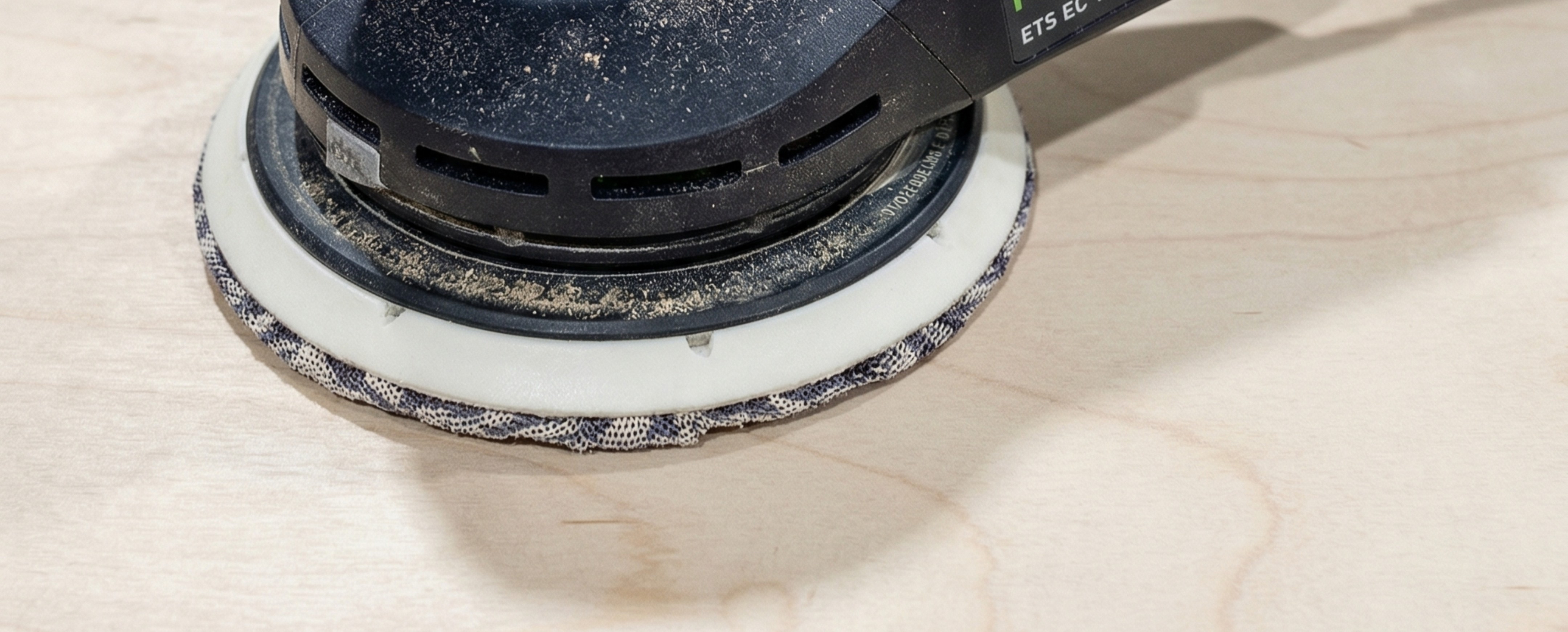
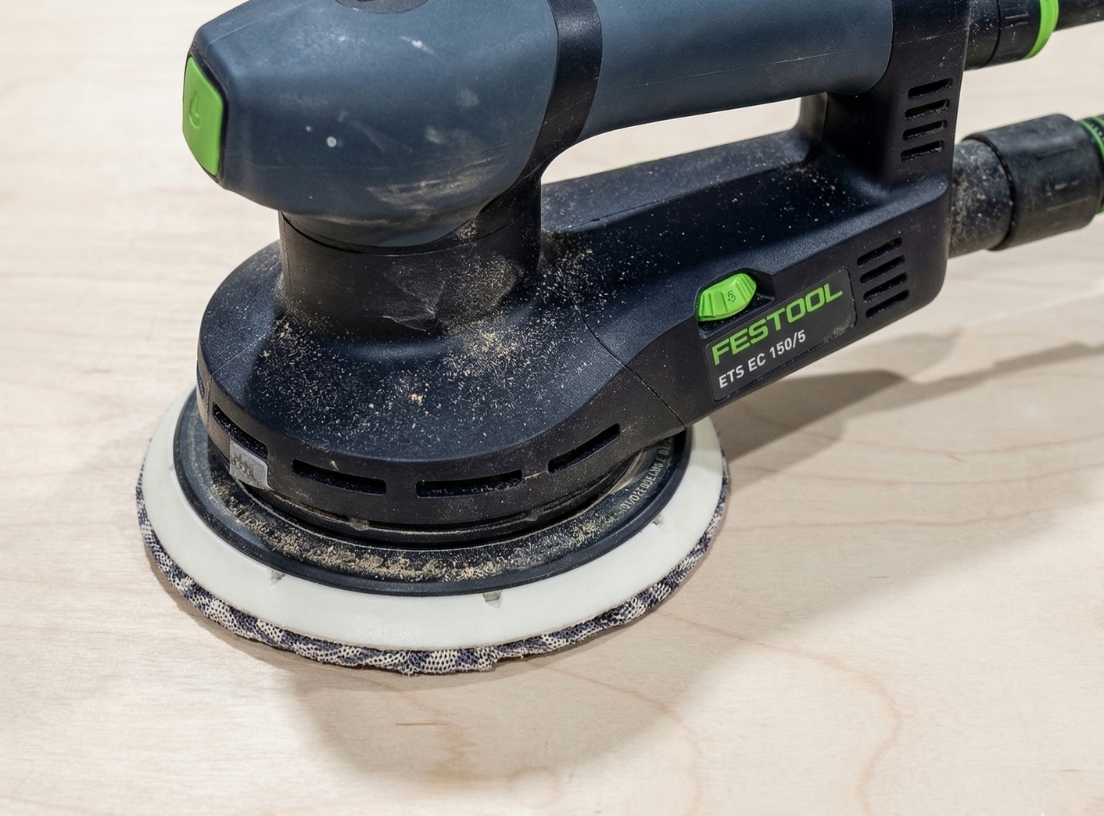
Sanding plywood seems like a necessary step in every project.
But here’s the truth:
Most people sand plywood more than they should.
And in many cases, over-sanding actually makes the result worse, not better.
Let’s break down when sanding is necessary, when it’s not, and how to do it correctly.
Many plywood panels, especially those used for cabinets or furniture, come pre-sanded from the factory.
This means:
That you don’t need aggressive sanding before using them.
What to do instead:
Plywood has a thin top veneer.
If you sand too much, you can:
Fix it:
Sanding is meant to:
It’s NOT meant to fix:
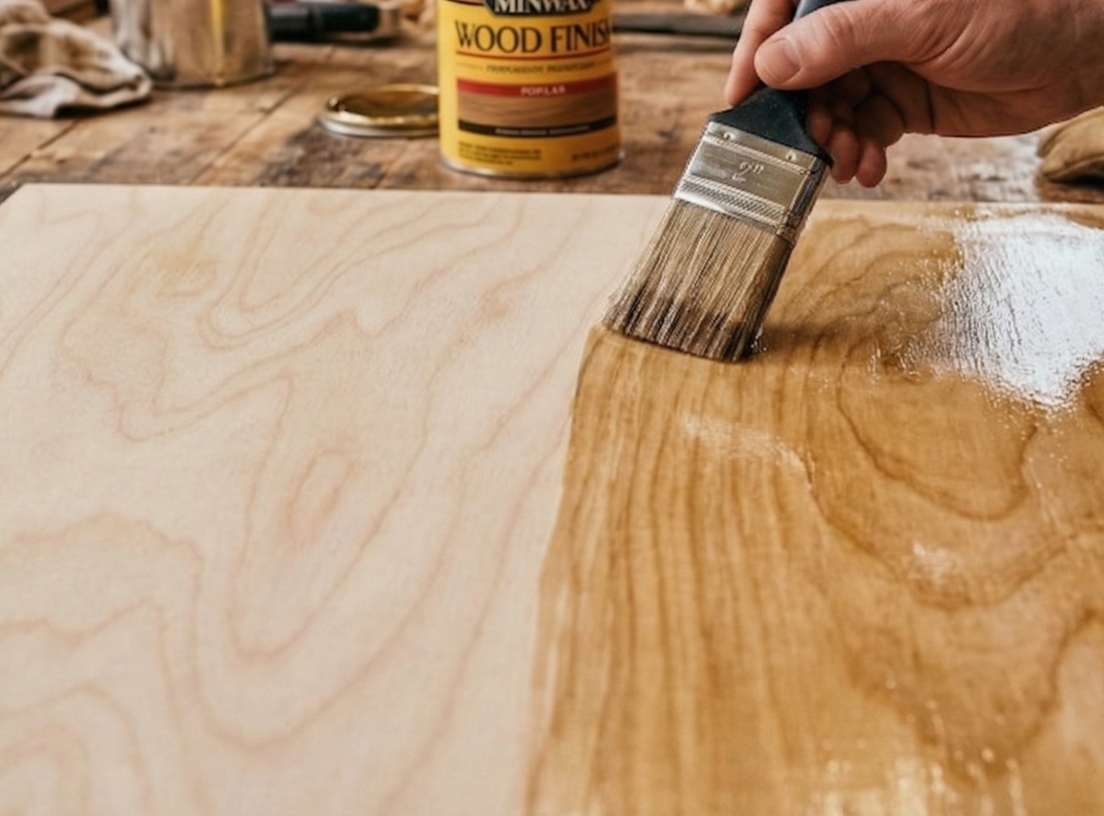
If you're applying paint, stain, or finish:
You don’t need heavy sanding every time.
Best practice:
Sanding is useful when:
Sanding plywood isn’t always necessary, and overdoing it can actually damage your project.
The key is knowing when to sand and when to leave the surface as it is.
Less is often more.
Starting with a smooth, high-quality panel reduces the need for sanding and improves your final result.
You can find reliable hardwood plywood panels at Lowe's for your next build.


%20(1).png)
%20(1).png)


