

USA
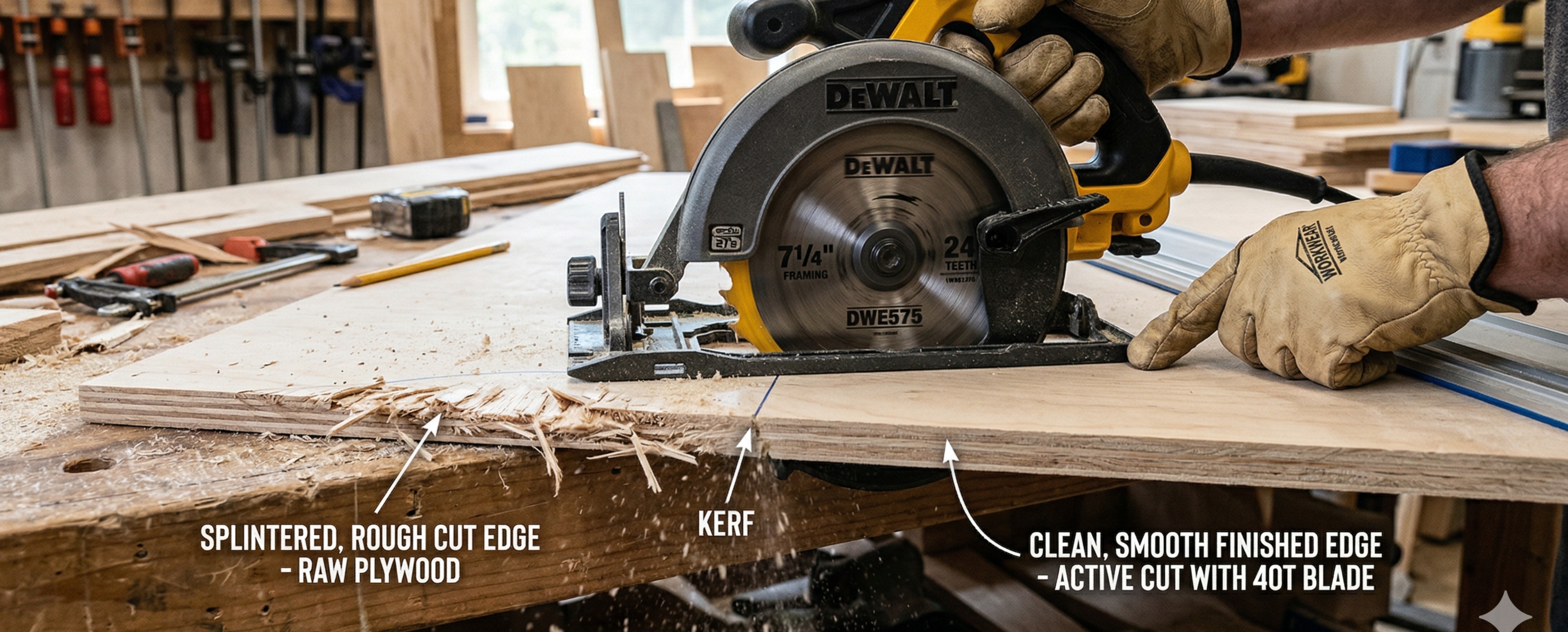
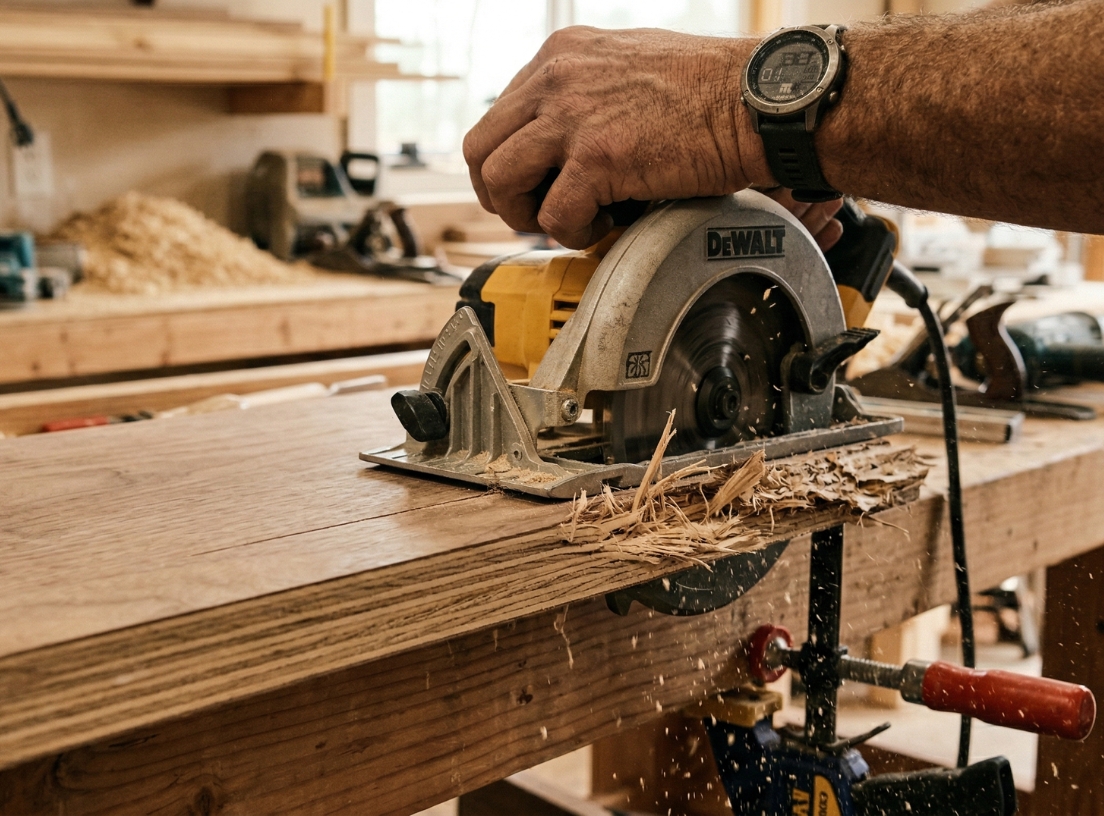
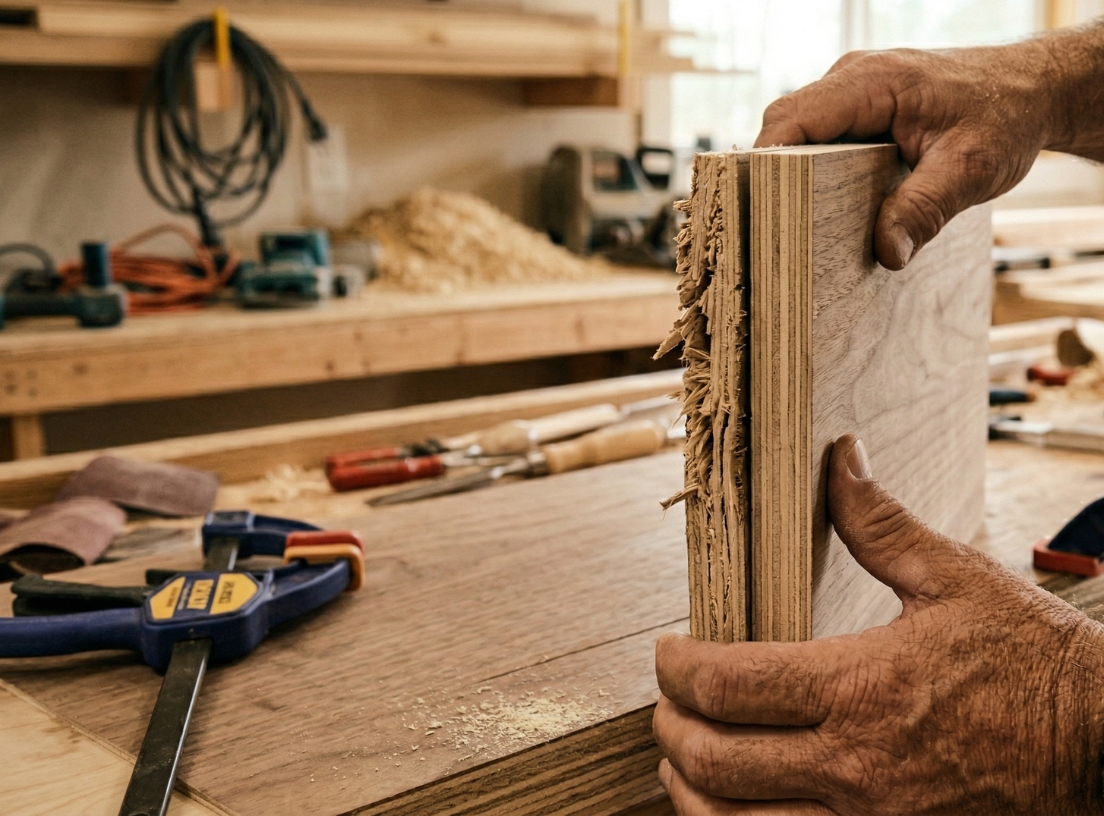
If you’re getting rough edges or splintering when cutting plywood, your blade is likely the problem.
Choosing the right blade can be the difference between:
- clean, professional cuts
- or chipped, uneven edges
Let’s break down what blade you should actually be using, and why it matters.
The number of teeth on your blade (TPI – teeth per inch) directly affects how clean your cut will be.
Best choice for plywood:
60–80 tooth blade for clean, smooth cuts
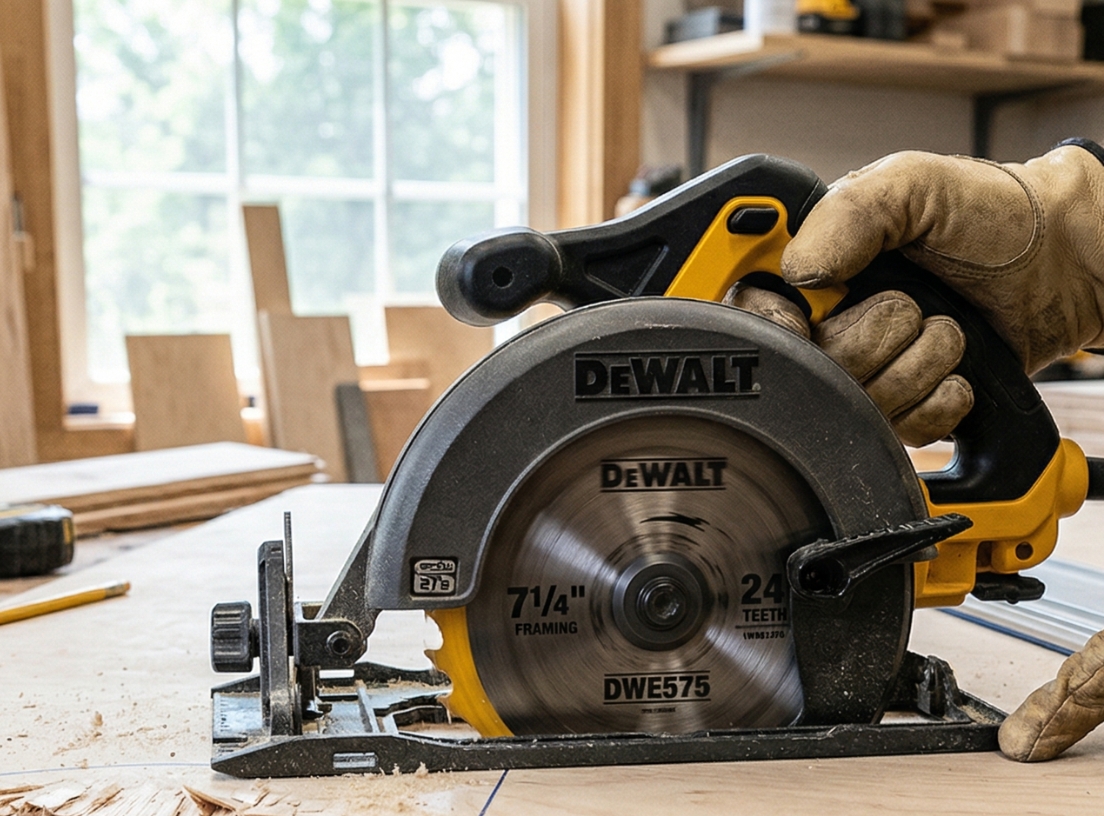
Not all blades are made for the same purpose.
General-purpose blades often tear plywood fibers instead of cutting them cleanly.
Look for:
The type of saw you’re using also affects your blade choice.
Even the right blade won’t work if it’s dull.
Signs your blade needs replacement:
Even with the right blade, technique still matters:
If you want clean plywood cuts, the blade you use matters just as much as your technique.
A high-quality, fine-tooth blade will instantly improve your results and reduce the need for sanding or rework.
Pairing the right blade with quality plywood gives you the best results from the start.
You can find hardwood plywood panels available at Lowe's for your next build.


%20(1).png)
%20(1).png)


